Final Days in Bangladesh Pt. I: Chakaria
It certainly has been some time since the last post on Bangladesh. However, after leaving Southeast Asia and returning to United States at the beginning of November, it has taken a couple of months to re-adjust to the modern chaos of New York City. Although I am typing piece in retrospect to my research trip, I believe it to be necessary contribution in order to wrap up and explain the closing of this past trip to Bangladesh—hopefully to be the first of many in the future.
During my time at ICDDR, B, I had been working on a solo project to develop community health modules and a workshop, which would be used to inform rural areas of chronic diseases and how social behavioral modifications could be used in order to prevent the onset of illness.
Within the last 60 days of being in the country it was decided that I was going to be temporarily transferred to one of these rural regions. Once there, I would have the opportunity to meet with local villagers and fieldworkers in order make some ground-level assessments and gain feedback on the project, so that adjustments could be made to help it run more efficiently. Of course, I was more than thrilled at the prospect of meeting with those residing with in the rural outskirts. After all, it was for their sake that the project had even commenced in the first place, and it was important to receive their input and observe the situation locally.
Leaving Dhaka City circa 8:00 in the morning, I boarded a train that would take me on a 7-hour journey southward to the second largest city of Bangladesh, Chittagong. From there, I would immediately continue towards the neighboring district, traveling by car for an additional 4 hours on treacherous unpaved roads, until finally reaching my destination: ICDDR,B’s Chakaria Field Site. By this time, the town was well cloaked by the darkness of night, and my exhaustion from the voyage left me with little interest in anything besides my bed.

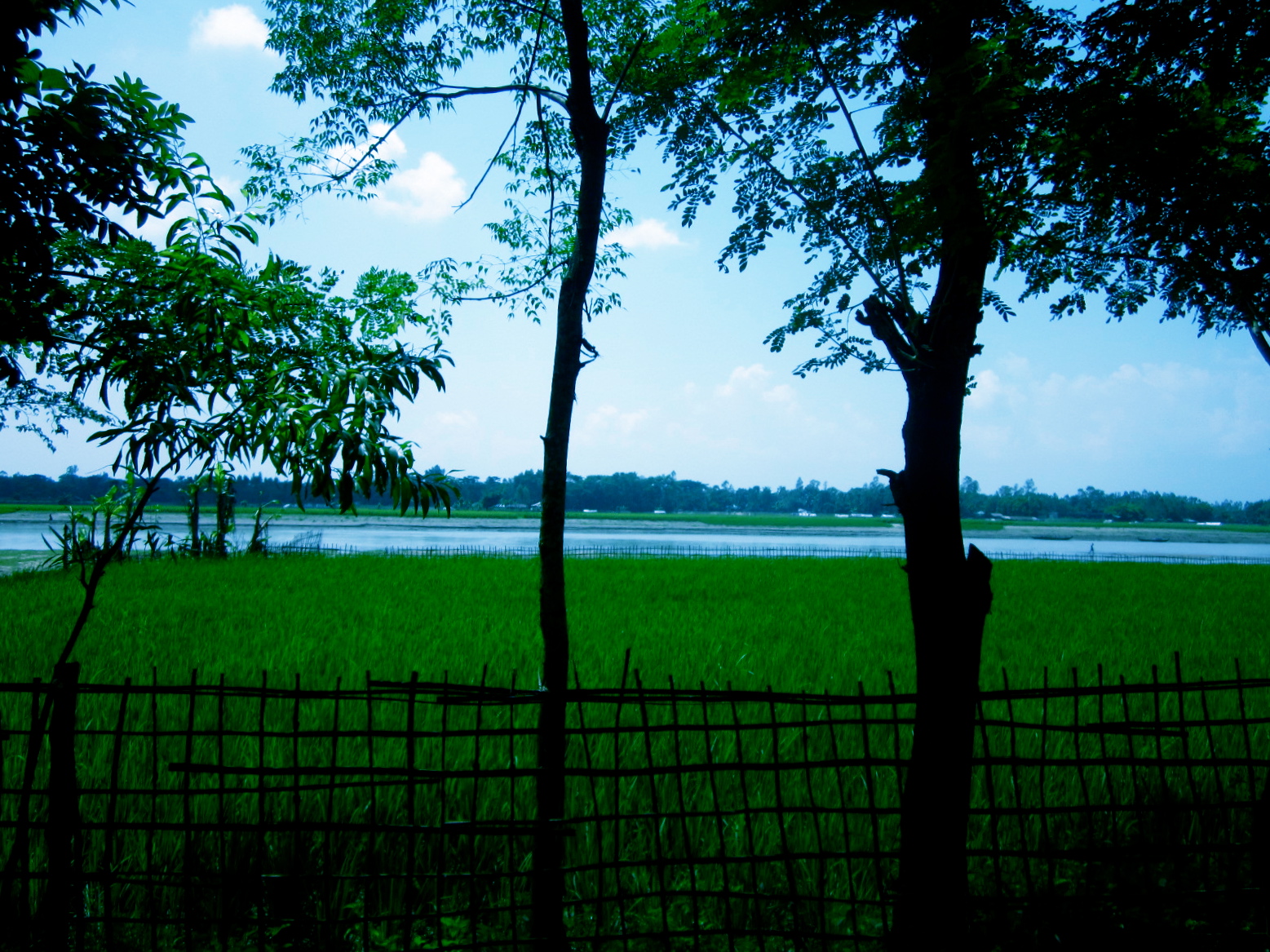
However, when I awoke I was introduced to a completely different world that had gone unnoticed the previous day. I found myself amid a cluster of local villages, surrounded by greenery, hills and endless rice paddy fields. It was quite opposite to the overgrowth of concrete buildings and continuous traffic that were characteristic of Dhaka. Needless to say, it was a welcome change.

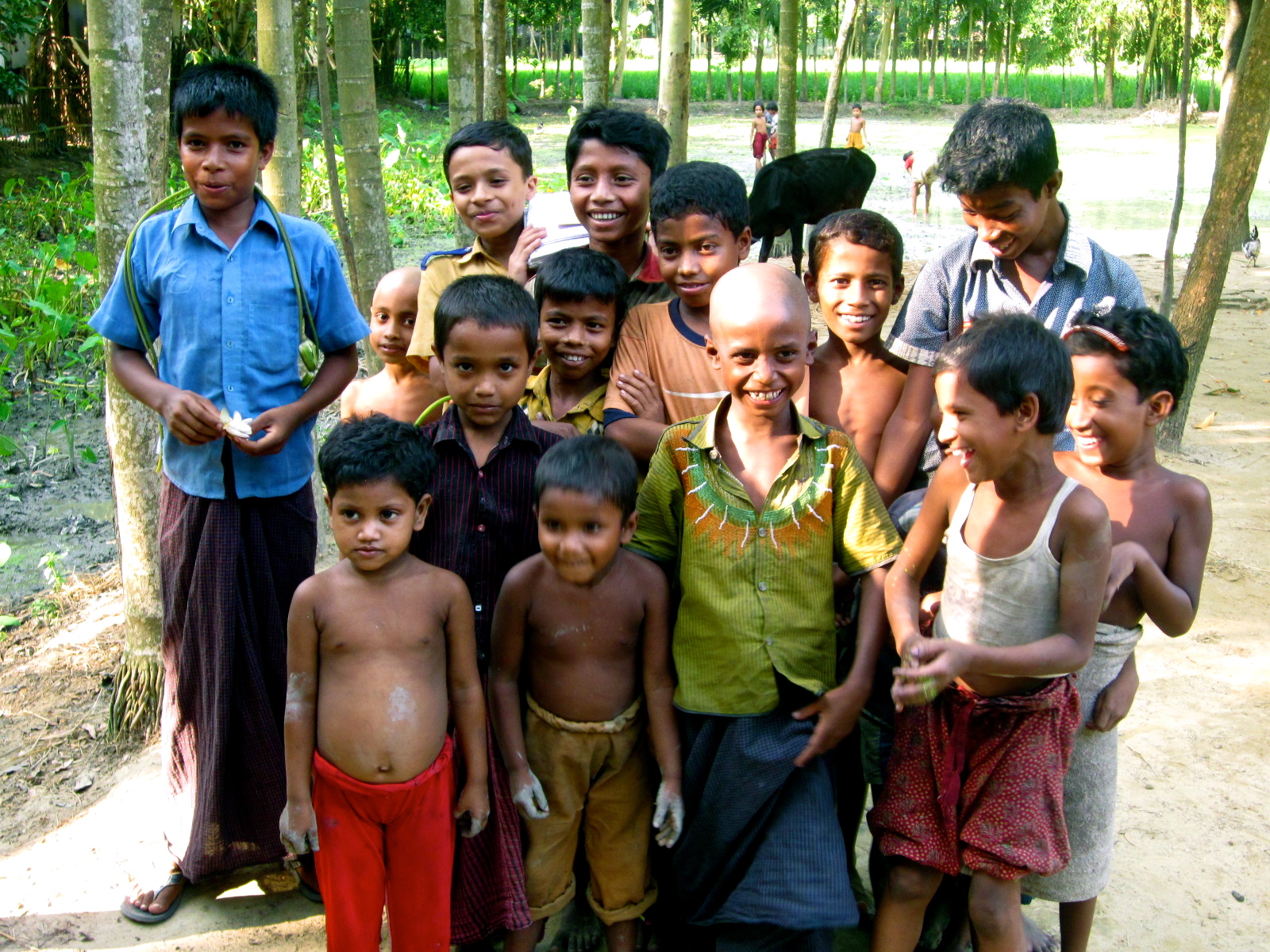
ICDDR, B began actively engaging with rural communities in Chakaria as of 1994, when they established a small research center on the outskirts this cluster of hill-villages. Since their arrival, they have committed themselves to revitalizing access to health treatment and information within the surrounding area, which has largely gone overlooked by federal eyes. ICDDR, B has outlined their plan of action in the region as follows:
“The focus of the activities has been to facilitate local initiatives for the improvement of health of the villagers in general and of children, women, and the poor in particular. Thus, the activities of the project have been participatory with emphasis on empowering the people by raising awareness about health, inducing positive preventive behavior through health education, and providing technical assistance to any health initiatives taken by the village- based indigenous self-help organizations.”
As it can be deduced from the language used in the description above, creating a sustainable health system within the area has been of paramount importance. From my understanding and observations, this means that rather than purely focusing on providing ‘charitable’ medical aid and services, the greater agenda has put stress on having an open dialogue with the community, improving individuals’ knowledge of health issues and maintenance, and encouraging them to make independent changes.
Dr. Abbas Bhuiya, a dedicated statistician who heads the Poverty and Health Program at ICDDR, B, has been associated with the Chakaria Campus since its inception. He recounted the following anecdote as an example of the type of changes they hope to induce:
“Early on in the project, I accompanied a group or representatives from various foreign agencies to the project site in order to better assess the situation. Immediately, the local villagers began to seek aid from these organizations. Without hesitation, they asked that a set of latrines be donated to the community. It was almost as if they felt the need to ask without reason or thinking it through first…I admit, I was slightly embarrassed by the way my people had acted, and I rebuked them for it. I told them, ‘You have supplies; you have young hands to work. Do not ask of others what you can do for yourselves!’ When I returned the next day, to my surprise, the latrines had been built by the villagers themselves.”
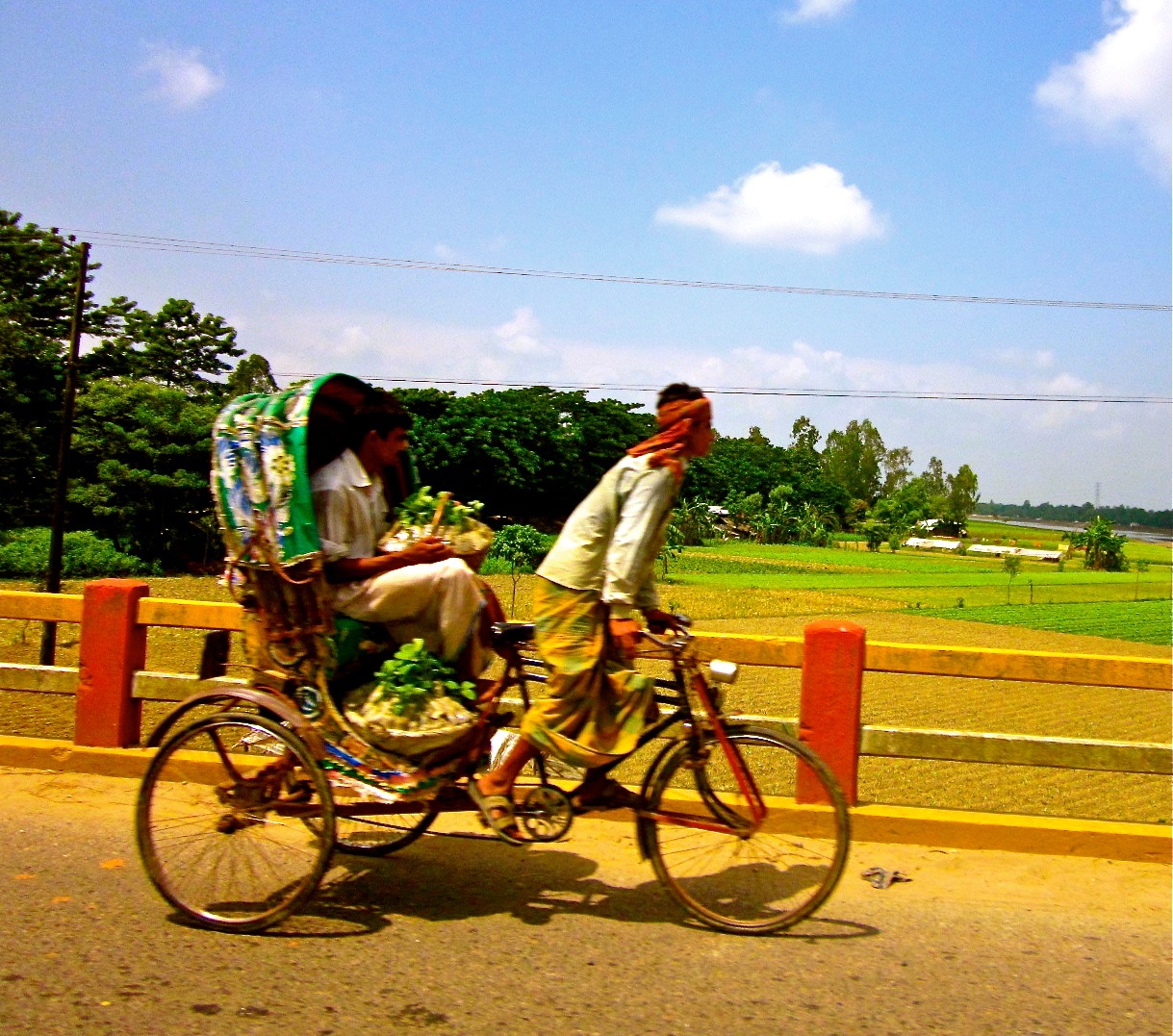 It is my belief that health is the key to agency. With one’s health intact, they are, at the very least, given the opportunity to overcome barriers or structures of oppression (whether they be political, social, or economic) faced in their daily lives. Moreover, I believe that access to healthcare is a fundamental human right, and it is the responsibility of a government to provide this access to its people. However, this is an ideal; there exist places in the world (more than we would hope) where, for various reasons, such federal services cannot be provided or sustained. Bangladesh is one such place.
Given the gap in care that is characteristic of developing, resource-poor countries, foreign medical aid has come to play a crucial role in saving millions of lives in these destitute areas. And there is no doubt that providing voluntary medical care is a noble act. But, when looking at the larger picture, itbecomes increasingly apparent that foreign aid may be harming these countries in the long-run—especially in the case of monetary donations.
In an interview with National Public Radio, economist Dambisa Moyo, who works for the World Bank, notes that the vast amounts of western financial aid that has poured into developing countries over the past 10 years has amounted to very little improvement in these regions. “I believe that having an aid-dominated society discourages entrepreneurship,” says Moyo, “It makes the government unaccountable, and obviously it supports rampant corruption [not only] through the government, but also into the wider population.” If communities become too dependent on aid they run the risk of self-perpetuating the circumstances that keep them in destitution, as opposed to actively resisting those systems and reclaiming their rights.
Admittedly, I am making a claim that foreign medical aid is equitable to foreign monetary aid. But, the reason I make this relation is because medical aid is a temporary service. And, in a society overburdened with economic and political turmoil, such acts are reduced to little more than a temporary band-aid, much like how miss-managed or miss-directed financing can offer little more than short-term relief. I witnessed this: doctors would treat a child for cholera, who would then return to the hospital a mere few weeks later with symptoms of malnutrition. Lack of access to clean drinking water is responsible for the cholera; poverty, which leads to an inadequate diet, is responsible for malnutrition. Even if medical personal are able to offer primary care to such individuals, the larger structures that preserve these conditions remain in place, continuing to imperil health.
That it is why it is so important to promote ground-level reform: so that communities can work to navigate these adversities independently to the best of their ability. This was the tactic employed in Chakaria, and so far it seems to be working. As I have seen it, there exist three primary initiatives that have contributed to the much-needed improvement of Chakaria’s access to healthcare and quality of healthcare. These initiatives are outlined below:
Training of Village Doctors
Village Doctors (VDs) in Bangladesh fall under the category of Unqualified Village Practitioners (UAPs); to put it simply: despite lacking a qualified medical degree, these individuals provide health consultations and treatment, as well as administer prescriptions for pharmaceuticals, to local populations. The VDs have become an integral part of the health system in Bangladesh, especially in the rural areas (such as Chakaria), where their services are vastly less expensive in comparison to MBBS practitioners in federal and private clinics. In fact, UAPs provide over 46% of health diagnoses within poor communities.
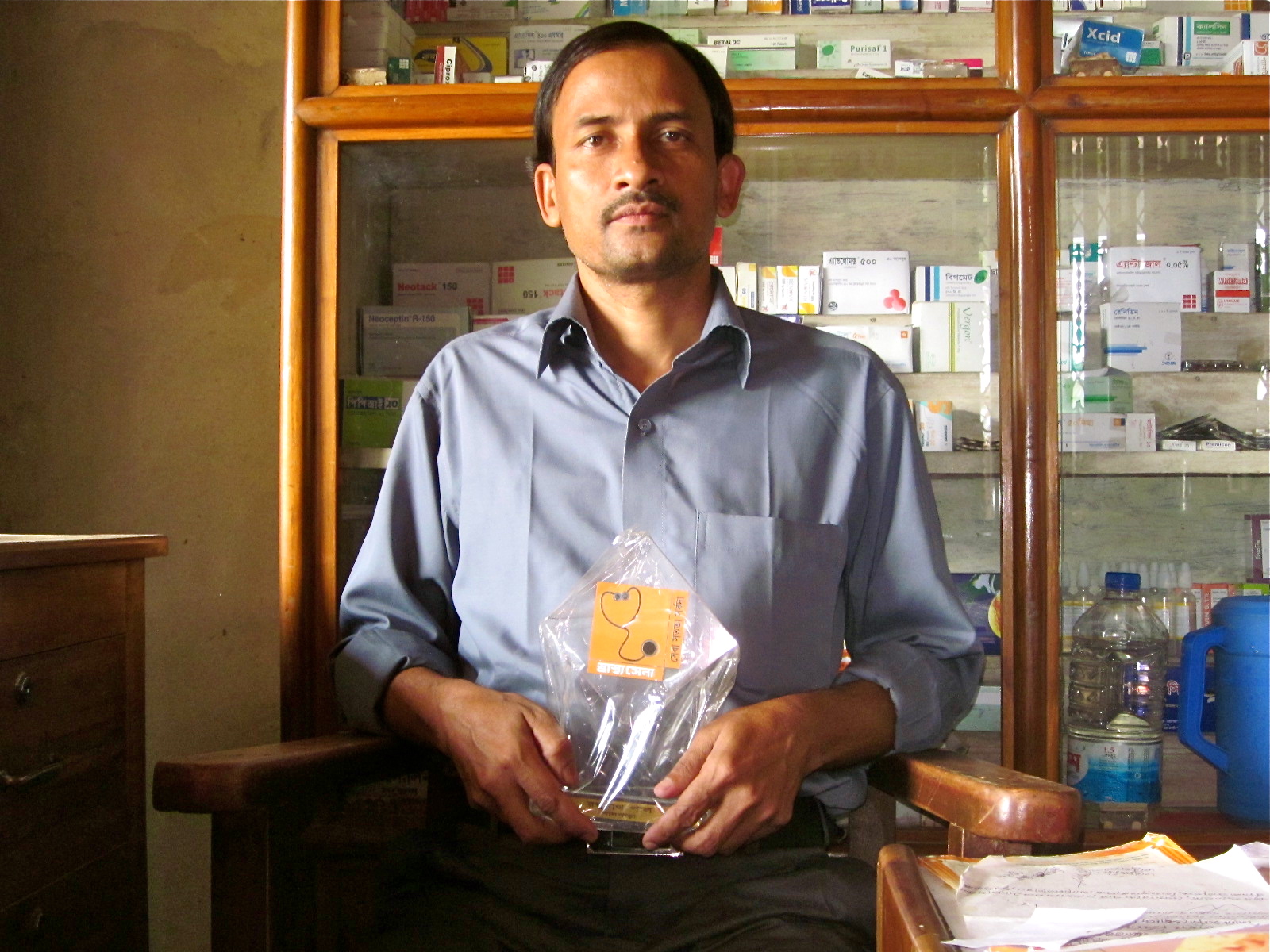
However, problems have arisen within recent years, as it was uncovered by Future Health System—a partner of ICDDR, B—that many of the VDs were “providing care of questionable quality with considerable over prescription of drugs, and the choice of drugs used for treatment were mostly inappropriate and at times harmful.” In response to these findings, a training initiative was mobilized in order to educate the VDs on the proper treatments methods for ailments and conditions prevalent within the region. Upon completion of the program, led by two MBBS physicians, 125 VDs were certified as ‘Shasthya Sena’ (health force) and bestowed with a crest to signal their supplementary education.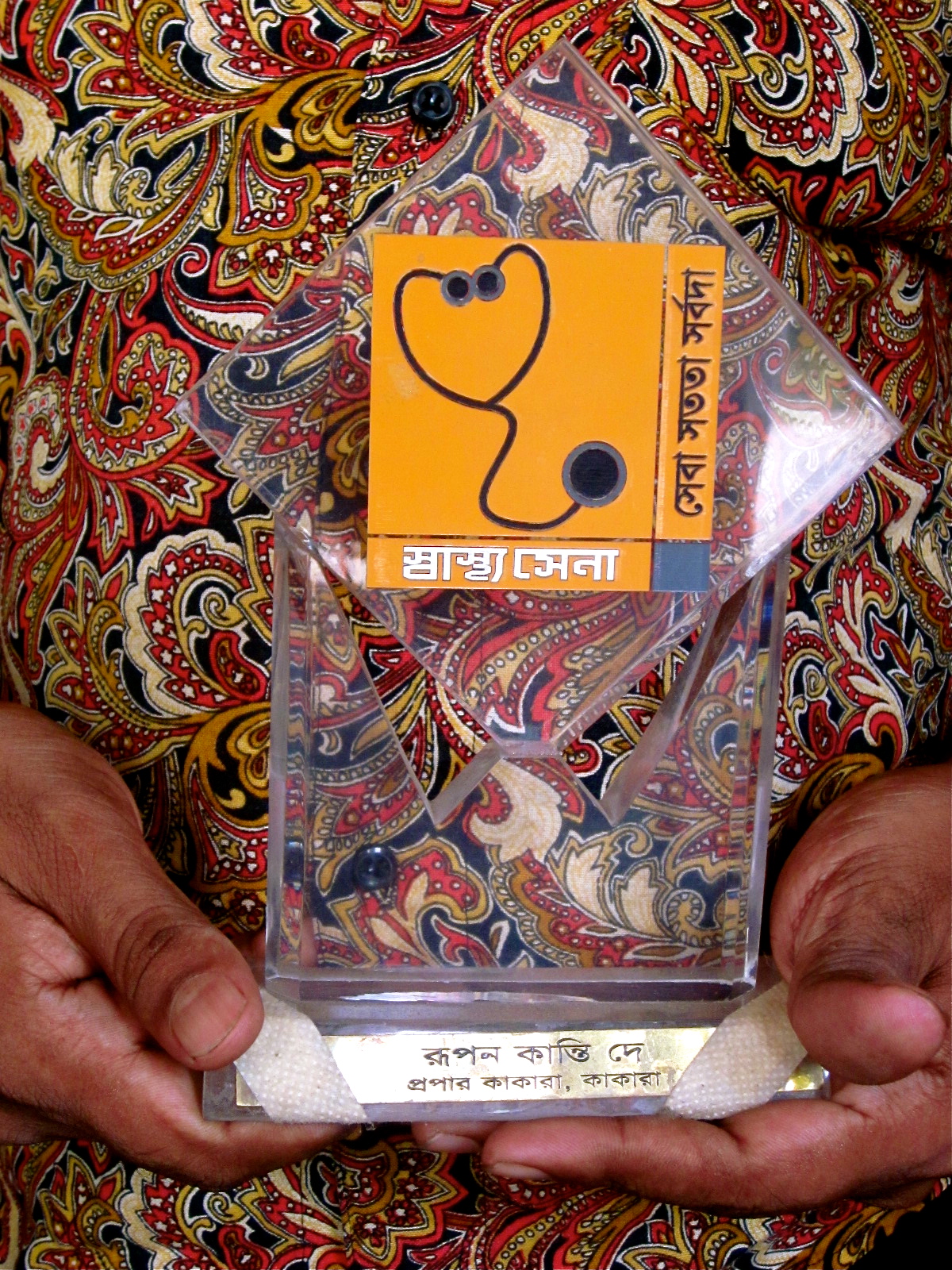 The title holds these practitioners to higher standards of care and places them within a support network that is monitored by ICDDR, B. Shasthya Sena have access to a mobile call-center that lets them phone in and speak directly with a qualified medical professional, should any complications or concerns arise when they are treating patients; they are also invited to attend occasional meetings and refresher courses that are assembled to help them sustain a healthy, safe practice.
But in truth, the program has not seen as wide a success as was previously hoped. There remain instances of over-prescription and inappropriate use of drugs, and at times the VDs are unable recall appropriate treatment guidelines. Still, these efforts have promoted some level of change, which has continued to spread as MBBS physicians continue to return to the area to conference with the Shasthya Sena and monitor their progress.
Most importantly, I believe this system represents a sustainable model of health promotion. Rather than attempting to eradicate the VDs and other UAPs, their vital role in healthcare for the poor—in a country with 40 percent of the population living below the poverty line—has been recognized. While it has proved challenging (change never comes easily, after all), strong efforts are being made to work with these groups in order to improve the quality of care for the people.
Village Health Post
Not surprisingly, the most impressive health intervention within Chakaria has been one mobilized by the locals themselves. The Village Health Posts (VHPs) serve as community clinics, offering basic health services to the local people, who otherwise have extremely limited access to such services.
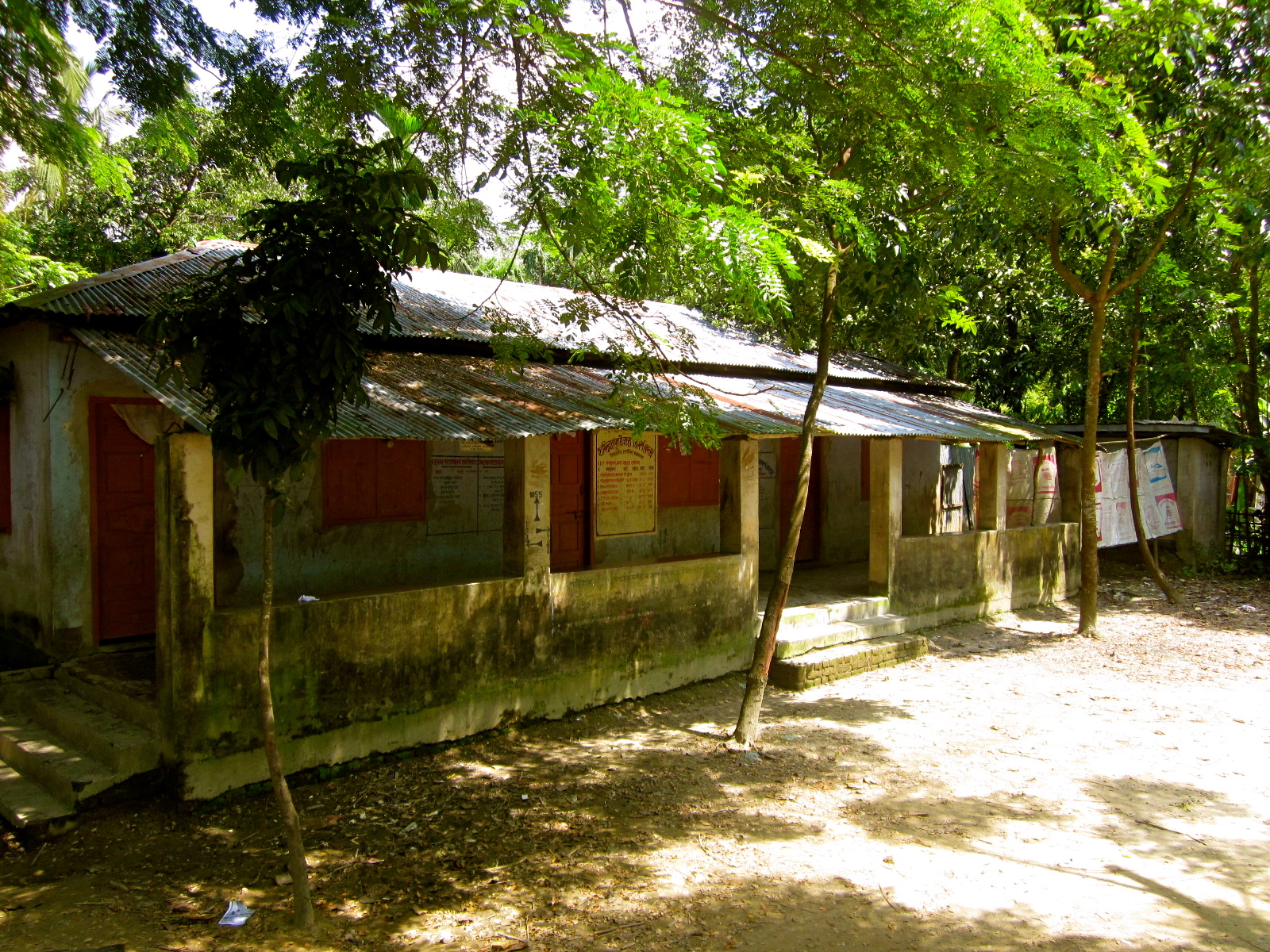
VHPs are somewhat akin to rural hospitals, only they are smaller (3-4 rooms lined up, side-by-side), offer a more limited selection of health services (explained in further detail below) and, rather than being maintained by the government, they are entirely operated by the villagers—they donated the land, they constructed the venue, and ultimately, the villagers were the ones who reached out to organizations in search of medical aid for the people of Chakaria.
The only role played by outside organizations and agencies, such as ICDDR, B and BRAC, is to donate the tools, time and health professionals needed to perform the health consultations and services in a safe and regulated manner. Otherwise, the local people are responsible for organizing and sustaining all efforts to keep the initiative alive.
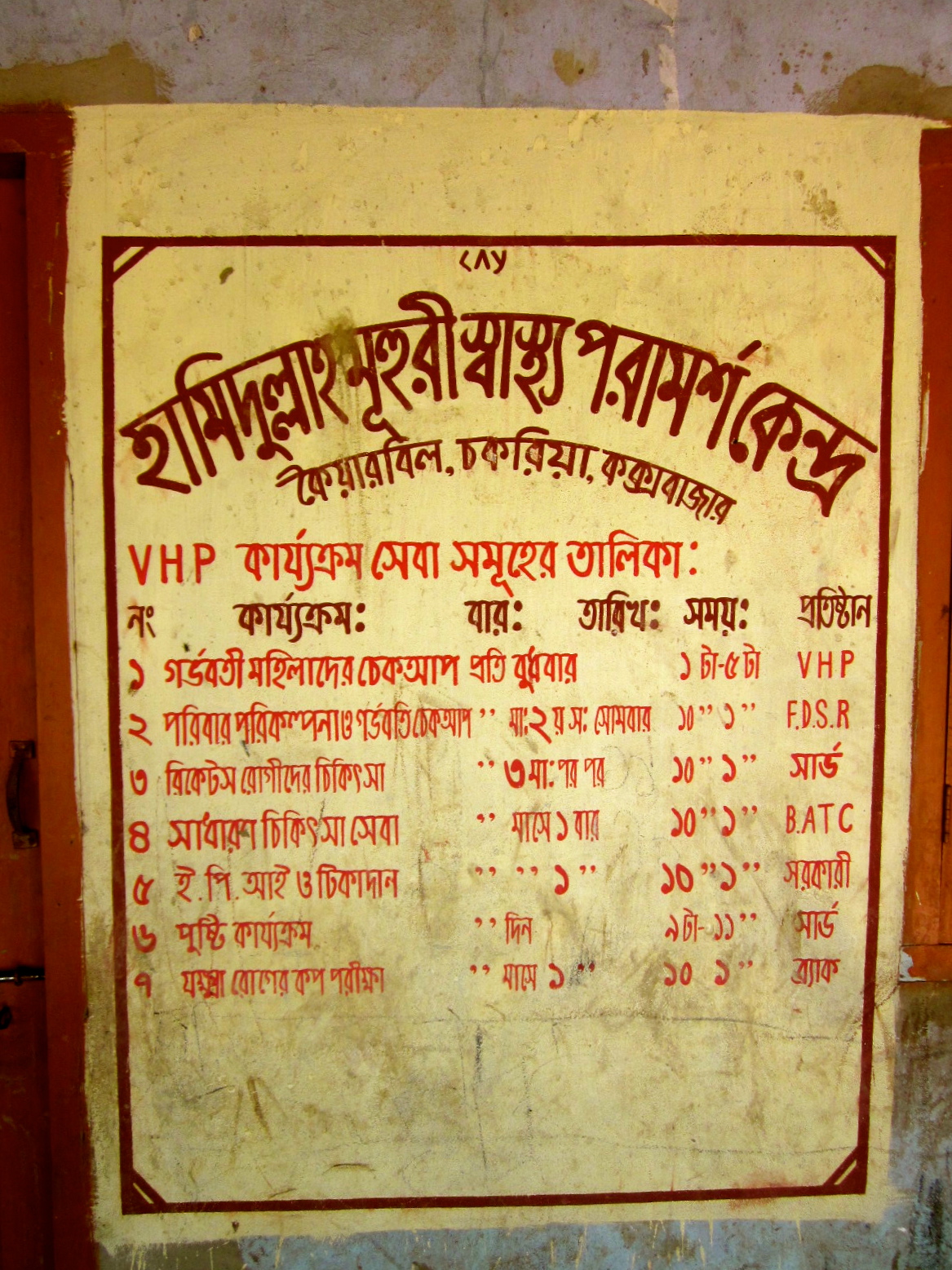 Each day of the week the VHP houses 1-2 associated organizations that come to offer specific forms of healthcare treatment depending on the day. (i.e. Mondays are dedicated to maternal/child health consultations, Tuesday to Tuberculosis treatment, and so on). The organizations then rotate their services at the various VHPs in the region throughout the week. A schedule is posted at all times on the front-side of the building, informing the community of the weekly timeline of health services, in case anyone should seek to come in for treatment.
All of the provided health services are completely free of charge, and anyone in the community has the right to access a VHP. Technically speaking, each district in Bangladesh should have its own federal health clinic—or so it is written on paper, at least. However, in places such as Chakaria, these fundamental requirements have yet to be met, due to a number of reasons: shortage of medical staff, lack of infrastructure (buildings and roads), unmotivated government members, etc.
Rather than simply settling with such conditions, the people have mobilized their efforts to reclaim their rights to health. Of course, those organizations, groups and charities involved in the process play a crucial role in getting individuals the medical attention they need, but what is most important is that the community has upheld a project on their own. This is a prime example of a sustainable healthcare intervention. After observing the situation for myself, I am reassured by the people’s commitment and have all faith that they will continue to improve healthcare in the region via VHPs.
Chronic Disease Clubs
Lastly, the Chronic Disease Clubs (CDCs) are comprised of groups of individuals who are either afflicted with a chronic disease, such as diabetes or hypertension, or are at high risk of developing such an illness. There are a total of 17 active clubs scattered throughout the Chakaria region. Each club is gender-specific and consists of anywhere between 10-15 attendees. Once a month, members meet with a village doctor in the designated club hut. They are then able to receive basic diagnostic services, such as blood pressure monitoring and the recording of body measurements, in order to better maintain their health and guard against disease.
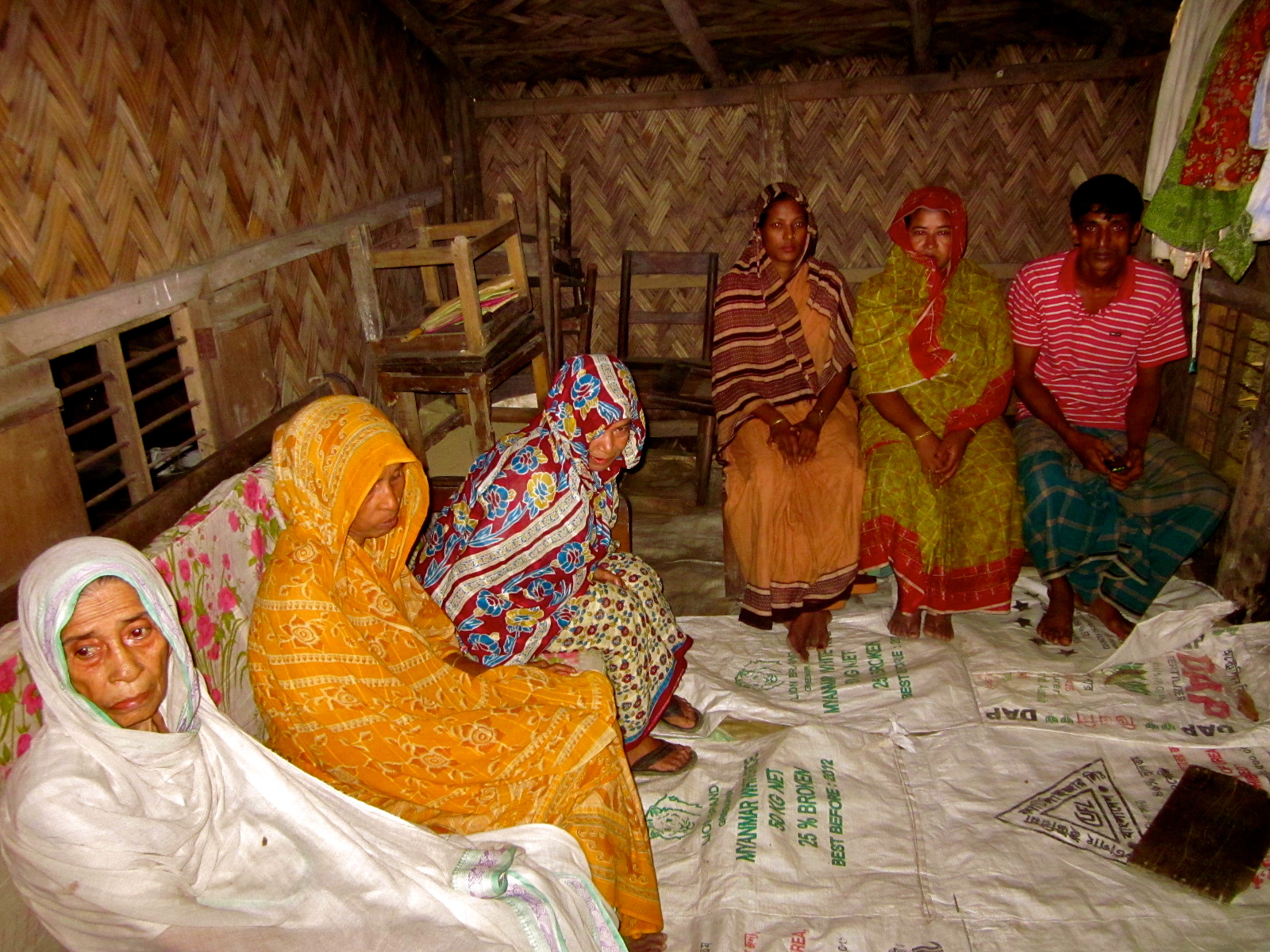
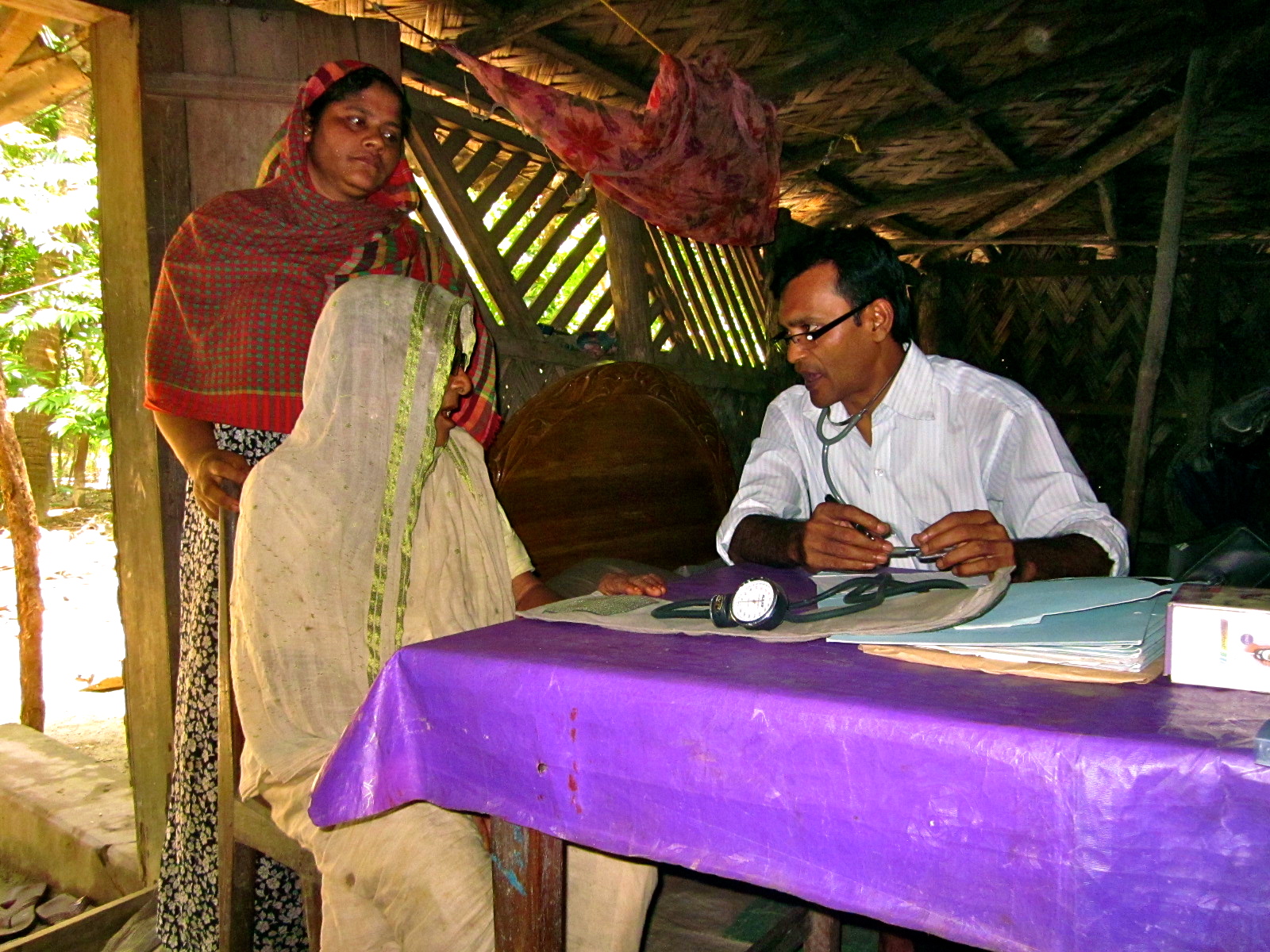 Those who join the CDCs do so voluntarily; even the village doctor—also an ICDDR, B Shasthya Sena (see above)—donates his time and services to the community without any form of compensation. That being said, the group has an exceptionally high retention rate. Nearly 90-100 percent of the members show up for the monthly meetings without fail. The only exceptions are during the rainy season, when the nearby Matamuhury River overflows and floods the surrounding villages.
As of right now, the CDCs offer little more than the monitoring and assessment of biophysical measurements. At times, there is a certified nutritionist present at the meeting, encouraging the members to adapt healthy eating practices. The clubs have also motivated some of the attendees to form “morning-walk groups”, which participate in some routine physical activity before sunrise.
Given the level of commitment and interest these individuals have demonstrated, there is great potential in the CDCs to become a more substantial form of intervention against chronic diseases. The members, despite most being well into their fifties, yearn to learn more about the nature of chronic diseases and how to battle against them. Provided with the right information and resources, these groups might be able to inspire ground-level changes—starting from the CDC members and moving outward—that can benefit the health of the local communities.
Upon attending one of the club meetings, the eldest of the group (depicted below) turned to me and asked (via a translator) that I help bring medicine and knowledge to the people of Chakaria, so that they would not have to suffer from disease.
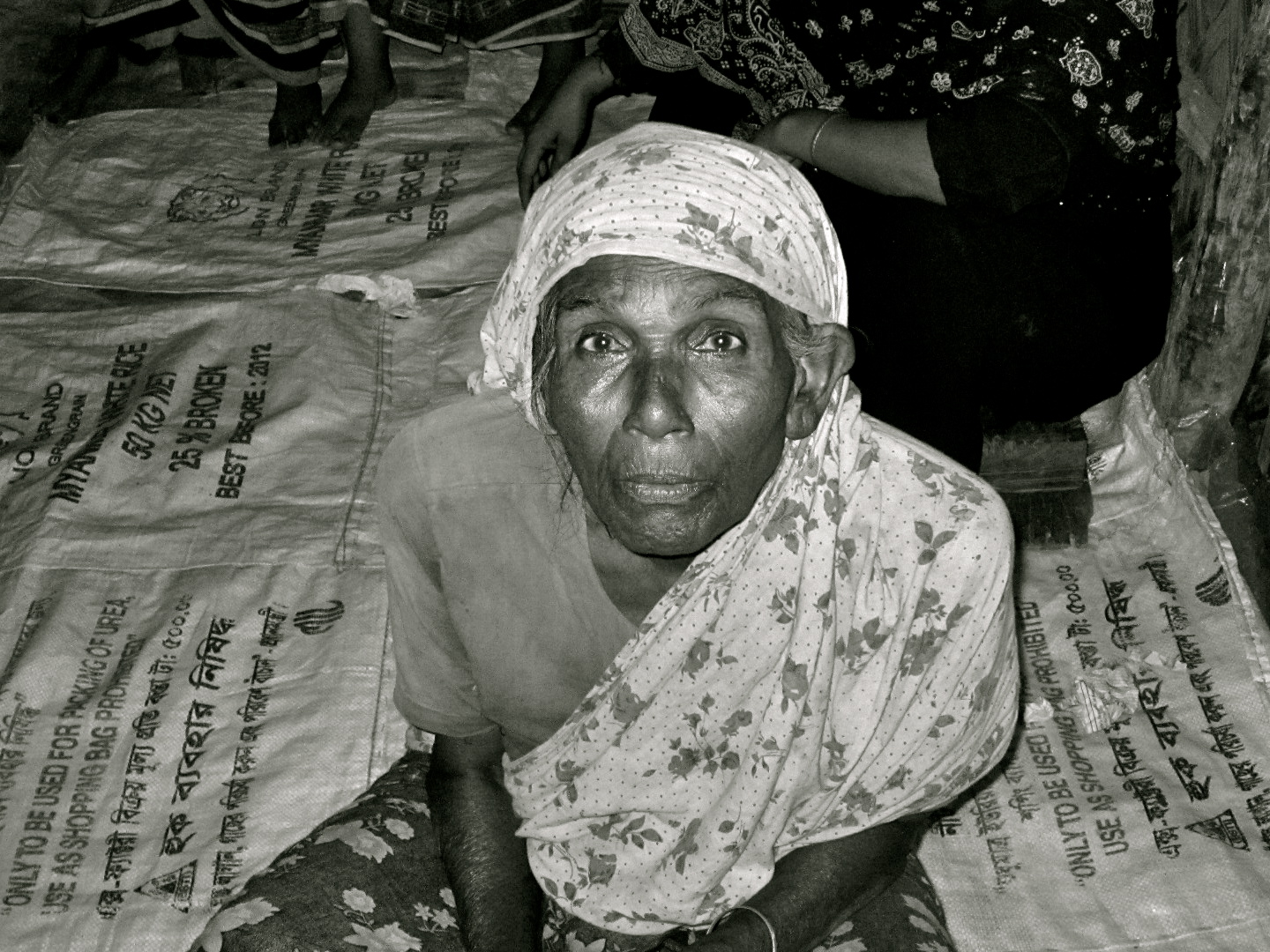
While I did not have the ability to offer them access to medication, the latter was within my means. Hearing her plea, seeing the people in need and experiencing Chakaria in the first-person is what fueled me during the course of the project.
 Health 2 Heart